Hardiness Zones and Sowing Vegetables: Understanding the Limits
Colorado gardeners often check a hardiness zone before planting, then find that the zone does not tell them when to sow vegetables. That is because winter survival and crop timing are different questions. Understanding what the map can—and cannot—tell you helps you build a planting plan around frost risk, soil warmth, crop needs, and the conditions in your own yard.
What a hardiness zone tells you
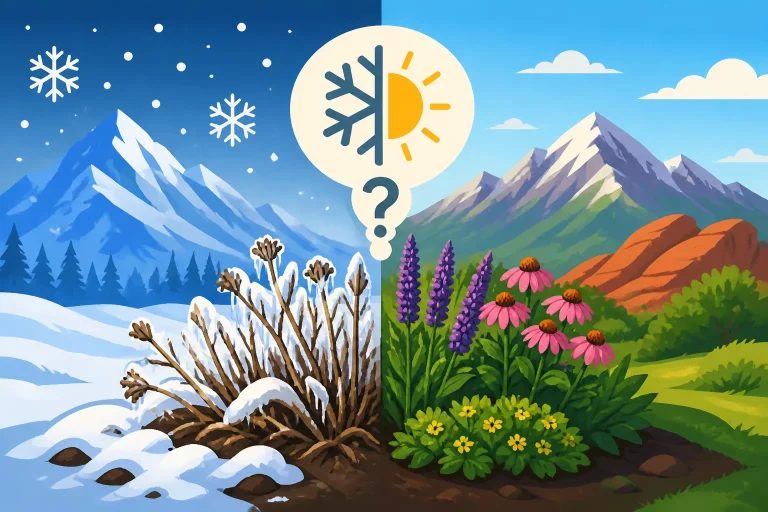
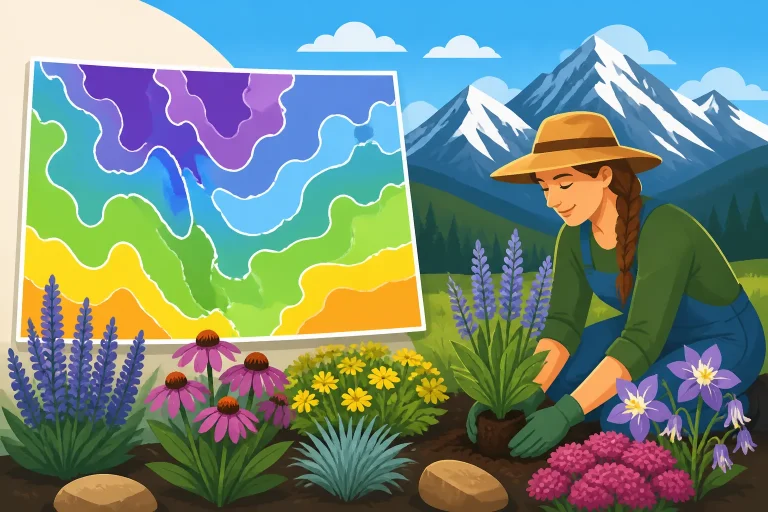
A plant hardiness zone is useful context when you are choosing plants that need to live through winter outdoors. According to the USDA Agricultural Research Service, the USDA 2023 Plant Hardiness Zone Map is the standard by which gardeners and growers can determine which perennial plants are most likely to thrive at a location.
That purpose matters. A zone can help you compare the winter tolerance of perennial plants, such as landscape shrubs and flowers. It is not designed to set a sowing date for lettuce, peas, tomatoes, or other annual vegetables. Those crops are grown for a harvest within a season, so the conditions they encounter while growing often matter more than whether an established perennial can survive winter.
A zone result also cannot describe every condition in a particular garden. Two beds in the same general area can differ in exposure, shelter, soil drainage, and how quickly they warm. A protected bed beside a sunny wall may behave differently from an open, windy plot. A low spot may hold cold air or water longer than a nearby slope. The map gives a broad reference, not a precise description of each bed.
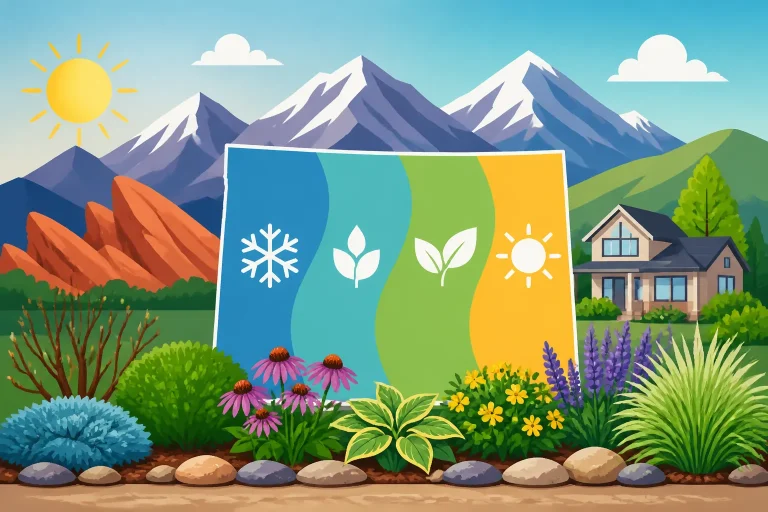
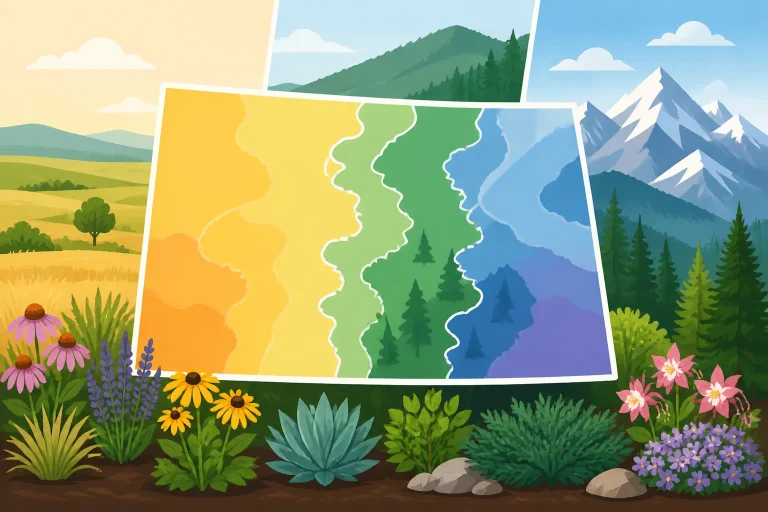
For Colorado gardeners, this distinction is especially important because local growing conditions vary across plains, foothills, valleys, and mountain communities. A zone can help when choosing a perennial for a landscape, but it does not capture all the local differences that affect vegetable sowing. To explore how the map works for perennials, see Understanding USDA Plant Hardiness Zones Across Colorado and Using the USDA Plant Hardiness Zone Map by ZIP Code.
The practical takeaway is straightforward: use a hardiness zone to think about winter survival, not as a vegetable planting calendar. A zone may be part of your planning, but it should not be the deciding signal for when seeds go into the ground or when tender transplants go outdoors.
Why vegetable sowing needs different information
Vegetables respond to conditions throughout the growing season. A seed needs suitable soil conditions to germinate, and a seedling needs appropriate light, moisture, and temperatures to establish. Later, the plant must have enough time and suitable conditions to mature before cold weather ends growth. A winter hardiness zone does not answer those questions.
Frost risk is one major part of the timing decision. Some vegetables tolerate cool conditions and can be planted while tender crops still need protection. Others can be damaged by a late cold snap, particularly when they are young or newly transplanted. Even a date-based plan cannot guarantee what the weather will do in a given year. A forecast, the crop’s cold tolerance, and your willingness to protect a plant all affect the decision.
Soil warmth matters, too. Air can feel mild while the soil remains cold, especially after a long winter or in a shaded, exposed, or higher-elevation garden. Seeds sown into unsuitable conditions may emerge slowly or unevenly. A seed packet’s guidance and the temperature of the soil can help you judge whether sowing is timely. For a practical look at that signal, see Measuring Morning Soil Temperatures for Colorado Spring Sowing.
Crop maturity is another part of the puzzle. A crop that needs a long stretch of favorable growing conditions may be a risky choice in a short or unpredictable season, even if its winter hardiness rating seems suitable. Conversely, a crop that matures relatively quickly may fit a narrower window. The key question is not only whether a plant can survive winter, but whether it can complete the job you want it to do before conditions change.
This is why vegetable timing is better treated as a set of decisions than as a single date. You are weighing the crop’s preferences against current soil and weather conditions, local frost patterns, the length of the available season, and your garden’s microclimate. Why Winter Zones Do Not Determine Vegetable Planting Dates explains the distinction in more detail.
A zone-based approach can lead to two opposite mistakes:
- Planting too early: A gardener may assume that a warm-looking zone means tender vegetables can go outside. A cold snap, chilly soil, or persistent wind can still set plants back.
- Planting too late: A gardener may delay every vegetable until a tender crop is safe, even though cool-season crops could have been started sooner.
- Choosing crops by winter rating alone: A perennial’s ability to overwinter does not show whether an annual vegetable will produce well within the available growing season.
- Treating a regional date as a guarantee: A regional guide can provide a starting point, but it cannot predict the conditions in a particular bed or year.
A better approach is to match each crop to the conditions it needs, then adjust based on what is happening locally. The zone can stay in the background as one piece of context, but frost, soil, and crop maturity should guide the sowing decision.
Colorado conditions that shape a planting window
Colorado’s variety of landscapes makes it difficult to use a single calendar for every garden. Elevation, exposure, wind, shade, slope, and nearby structures can all affect how quickly a bed warms and how vulnerable it is to cold. These local details do not replace broader regional guidance; they help you interpret it.
Elevation and season length
Higher-elevation gardens can have cooler conditions and a shorter stretch of suitable growing weather than gardens in warmer areas. That affects both ends of the season: when it is sensible to begin and how much time remains for a crop to mature before autumn cold returns. A calendar made for a different elevation may still offer useful context, but it should not be treated as a direct prescription.
When choosing a crop for a short season, consider its stated days to maturity or other maturity guidance on the seed packet. Treat that information as a planning clue rather than a promise. Weather, soil, sunlight, and growing conditions can change how quickly a crop develops. How Elevation Changes Colorado Frost Dates and Season Lengths and Vegetable Planting Windows for Short High-Elevation Seasons offer more help with this kind of regional planning.
Exposure, shelter, and cold-air movement
A sunny, sheltered bed may become workable sooner than a shaded bed exposed to wind. A south-facing wall or protected corner can create a warmer pocket, while an open site may lose heat quickly. A low area where cold air settles can behave differently from a nearby slope. These small contrasts are examples of microclimates: local conditions that can shift the practical timing of planting.
Notice where frost lingers, where snow melts early, and where soil dries or warms slowly. Those observations help you understand which parts of your garden are suitable for earlier sowing and which should wait. They do not remove weather risk, but they can make a regional calendar more useful.
Soil and water
Soil condition affects both germination and early growth. Wet, cold soil can be difficult to work and may be a poor setting for seeds that need warmer conditions. Soil that drains slowly can remain cool after rain or snowmelt; very dry soil may need attention before sowing. A bed’s texture, compaction, and water-holding behavior all influence how it responds to spring weather.
Before sowing, check that the bed is workable and that it can provide consistent moisture without staying waterlogged. Avoid using the calendar alone as a reason to dig or plant into soil that is still cold, saturated, or difficult to prepare. If your growing space has persistent drainage or soil problems, address those conditions as part of planning rather than expecting a different sowing date to solve them.
Frost information and forecasts
Average frost information can help you set expectations, but an average is not a promise about the coming season. Local timing can vary from year to year, and a forecast is more useful for near-term decisions about tender plants. Think of regional frost guidance as background and current conditions as the immediate check.
For a broader regional overview, see Colorado Frost Dates and Planting Calendar: Mountain to Plains. When a tender transplant is close to going outdoors, Tracking Colorado Freeze Forecasts to Schedule Tender Transplants can help you think through the short-term risk. The decision still depends on the crop, the garden site, and the protection you can provide.
Match sowing decisions to the crop
Vegetables do not all belong to the same planting window. Thinking in crop groups helps you avoid treating the whole garden as if every plant had the same tolerance for cold, soil, and seasonal change.
Cool-season crops
Many leafy vegetables and other cool-season crops can be started while conditions are still too uncertain for tender warm-season plants. Their ability to tolerate cooler weather makes them useful for an earlier part of the season. That does not mean they should be planted into frozen, saturated, or otherwise unsuitable soil. The bed still needs to be workable, and the seed packet’s instructions remain important.
Some cool-season crops can also fit a later planting window as conditions cool again. This can extend harvest opportunities, but the remaining time and expected weather matter. Check the crop’s maturity guidance, and consider whether the plant will have enough suitable growing conditions to develop before the season turns.
The important distinction is that “cool-season” does not mean “plant at any time in cold weather.” It means the crop’s preferred conditions differ from those of heat-loving vegetables. Soil and weather still determine whether a particular sowing is sensible. Colorado Cool-Season Crop Planting for Spring and Fall Harvests provides additional guidance for planning those windows.
Warm-season crops
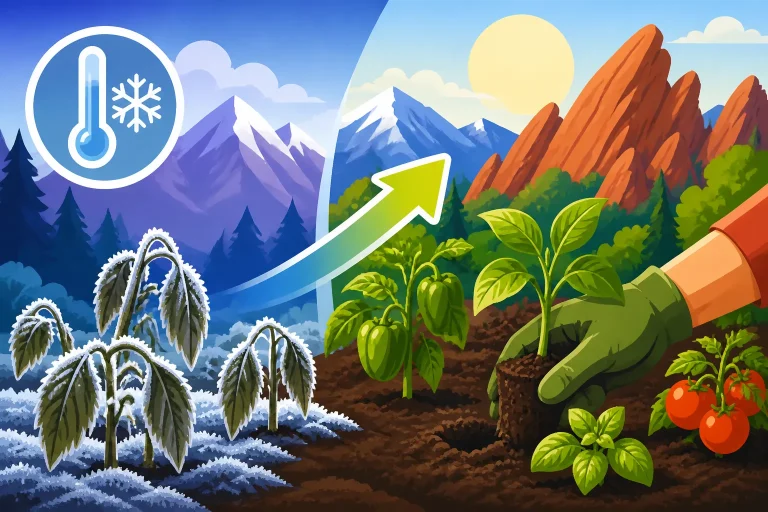
Warm-season crops, including many summer-fruiting vegetables, generally need warmer conditions than cool-season crops. For these plants, a zone is not a signal that the soil and nights are ready. Pay attention to frost risk, soil warmth, and the plant’s sensitivity to cold. A warm afternoon does not necessarily mean a young transplant can handle a chilly night.
If you start these crops indoors, moving them outside is a separate decision from sowing the seeds. Seedlings need time to adjust to outdoor conditions, and a sudden change in light, wind, or temperature can stress them. Hardening off can reduce that transition shock, but it does not make a tender plant frost-proof. For timing indoor starts, see Starting Vegetable Seeds Indoors: Colorado Spring Windows. For setting out tender crops, When to Plant Frost-Tender Tomatoes and Peppers in Colorado offers crop-specific context.
Root crops and direct-sown vegetables
Some vegetables are commonly sown directly where they will grow because their roots can be sensitive to disturbance. Direct sowing avoids the step of transplanting, but it makes the condition of the garden bed especially important. Soil needs to be prepared well enough for the seed to make contact with it and for the emerging seedling to grow.
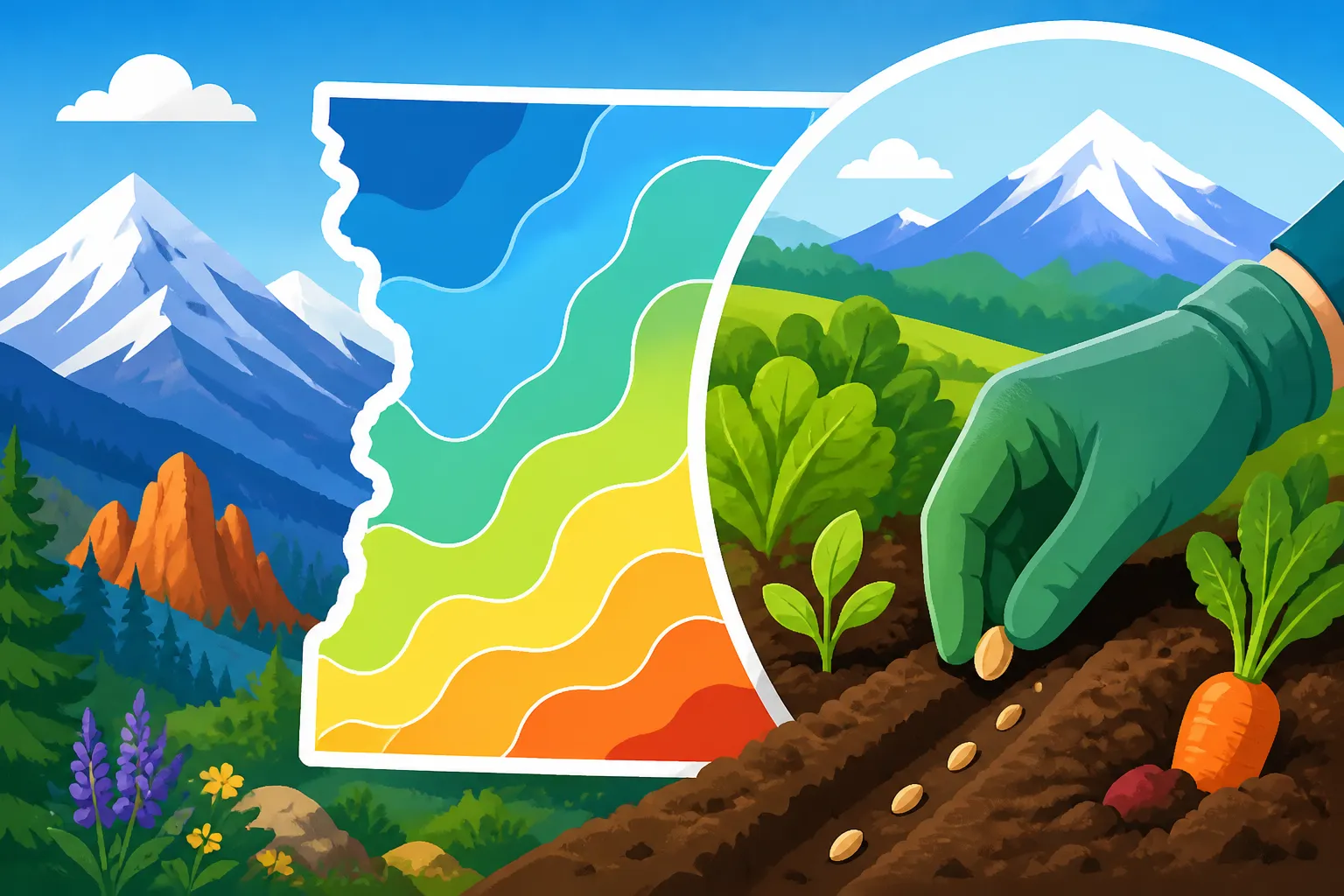
Check the crop’s seed instructions for sowing depth, spacing, and soil preferences. Those details belong to the crop rather than to the hardiness zone. A zone cannot tell you whether a particular bed is too cold, too wet, crusted, or compacted for good emergence. If you are comparing direct sowing with starting indoors, use the crop’s transplant tolerance as part of the decision.
Crops with longer maturity needs
A crop’s time to maturity can be a limiting factor in Colorado, particularly in places with a shorter growing season. If a crop needs more favorable growing time than your garden can reliably provide, it may not mature as expected even if you plant it at a seemingly appropriate date.
You can respond by choosing a crop or variety with a more suitable maturity profile, starting it indoors when that is appropriate, or giving it a protected and warmer site. Each approach has trade-offs. Indoor starts need attention and a careful transition outdoors. A warmer site can help but may still face cold nights. A faster-maturing selection may be more reliable but may not match your preferred flavor, size, or use.
Seed descriptions can help you compare options, but read them as guidance rather than a guarantee. Choosing Vegetable Varieties for Colorado’s Varied Growing Seasons covers how to think about variety selection across different conditions.
Build a planting plan without relying on a zone alone
A useful planting calendar is not a fixed list of dates. It is a plan that connects each crop to the conditions it needs and leaves room to adjust. You can build that plan by combining regional guidance, crop instructions, and observations from your own garden.
Start by deciding what you want to grow and how you want to use it. A garden focused on quick salads may depend heavily on cool-season crops, while a garden centered on summer fruiting vegetables will need a different approach to indoor starting and transplant timing. The goal is to make room for crops that fit your site and routine, not to plant everything as early as possible.
Next, sort the crops by their broad temperature preferences. Group cool-tolerant crops separately from plants that need warmer soil and reduced frost risk. Then review the seed packet for the crop’s instructions, including whether it is better sown directly or started indoors and what maturity guidance it provides. Botanical Interests seed packets can be one place to check the sowing and maturity information for a seed you are considering; treat those directions as crop guidance, not as a substitute for checking local conditions.
Use regional planting guidance as a starting point rather than a deadline. Compare it with the current weather, the state of the soil, and what you have observed in the garden. If the bed remains cold and wet, waiting may be wiser than following a calendar entry. If the weather is favorable and you are sowing a crop suited to cool conditions, the zone alone is not a reason to delay.
The table below summarizes which information answers which question.
| Planning question | Useful information | What it does not tell you |
|---|---|---|
| Is a perennial likely to overwinter? | The plant’s hardiness information and your local zone context | Whether a vegetable seed can germinate now |
| Can I sow this crop outdoors? | Crop instructions, soil condition, and current weather | A guaranteed harvest date |
| Is a tender transplant ready to go outside? | Frost outlook, plant sensitivity, and site protection | Whether the plant will thrive in every garden bed |
| Will this crop mature in my garden? | Maturity guidance, season length, and growing conditions | A certain result in an unpredictable season |
| Is this bed suitable for earlier planting? | Sun, shelter, drainage, soil warmth, and your observations | A risk-free planting window |
As you plan, keep separate notes for sowing, transplanting, and expected harvest. Those are related but different events. A seed may be sown outdoors, started indoors, or purchased as a transplant; each route changes the timing decisions. The harvest then depends on how the crop grows after planting, not merely on the date you put it in the garden.
A flexible calendar can use categories such as “sow when soil is workable,” “wait for warmer conditions,” or “check the forecast before transplanting.” These prompts are often more useful than a single date because they remind you to assess the actual conditions. You can revise the plan as the season unfolds instead of treating an early estimate as binding.
For a broad look at how crops and local conditions fit together, see Colorado Vegetable Gardening: Crops, Seasons, and Elevation. If your main question is whether to rely on a calendar or the forecast, Should Colorado Gardeners Plant by the Calendar or Forecast Frosts? is a useful companion.
Common planning mistakes and how to avoid them
A hardiness zone is easy to find and easy to overinterpret. These are common ways that happens, along with practical ways to use the information more carefully.
Treating the zone as a frost date
A zone result should not be read as a prediction of when a garden will be free from frost. It is a tool for thinking about perennial survival. For vegetables, consult regional frost guidance and pay attention to current conditions. Remember that a regional average cannot guarantee what will happen in your yard.
Assuming every part of the yard has the same timing
A planting date that works in a sheltered, sunny bed may not work in a windy or shaded spot. Mark the differences you notice. If you plant the same crop in separate parts of the garden at different times, keep track of the results. That can help you decide which sites are genuinely warmer or more exposed, rather than relying on a broad location label.
Planting tender crops because a mild spell feels settled
A warm spell can be followed by colder conditions. Before setting out a tender crop, consider its cold sensitivity, the short-term forecast, and whether you can protect it if conditions turn. A temporary cover may reduce exposure in some situations, but it should not be treated as a guarantee against damaging cold. Follow any product instructions for materials you use and make sure the setup does not create a new problem, such as overheating or poor airflow.
Ignoring soil because the air feels warm
Air temperature and soil conditions do not change at the same pace. If the bed is cold, wet, or difficult to work, a sunny afternoon may not be enough reason to sow a crop that needs warmer conditions. Check the soil itself and follow the seed’s guidance. Waiting for Soil to Warm Before Sowing Summer Crops in Colorado offers more detail for warm-season planting decisions.
Taking maturity descriptions as promises
Maturity guidance helps you compare crops, but it cannot account for every garden’s light, soil, watering, or weather. A crop may take longer under cool or stressful conditions. When the season is short, choosing a variety with a suitable maturity profile and selecting a favorable site can improve the odds, but neither removes uncertainty.
Starting too many plants indoors
Indoor starting can provide a head start for crops that suit transplanting, but it also creates work. Seedlings need appropriate light, moisture, and space, then a gradual transition outdoors. Starting too early can leave you with large seedlings that are difficult to manage while outdoor conditions remain unsuitable. Plan indoor sowing backward from the likely transplant window, using crop instructions and local guidance rather than the hardiness zone.
Forgetting that the calendar is adjustable
A calendar is a planning aid, not a rule that overrides observation. If conditions are colder, wetter, or windier than expected, adjust. If a cool-season sowing window looks favorable, you may not need to wait for the warm-season crops. Keeping separate plans for different crop groups makes it easier to respond without delaying the whole garden.
Frequently Asked Questions
Can I use my hardiness zone to decide when to sow vegetables?
Use the zone as background for perennial winter survival, not as a vegetable sowing date. For vegetables, consider the crop, soil condition, frost risk, and maturity needs.
Does a warm microclimate mean a tender crop is safe from frost?
No. Shelter and sun can make a site warmer than its surroundings, but they do not guarantee protection from a cold snap. Check the forecast and consider the crop’s sensitivity before transplanting.
Should I follow a regional planting calendar or the seed packet?
Use both for different purposes. A regional calendar gives context for local conditions; the packet gives guidance for the crop or variety. Compare that information with the soil, weather, and your garden’s exposure.
Why can two gardens in the same area have different planting windows?
Their elevation, slope, sunlight, shelter, wind exposure, drainage, and soil warmth may differ. Those local conditions can make one bed workable earlier or later than another.
Sources
- USDA Agricultural Research Service — 2023 USDA Plant Hardiness Zone Map | USDA Plant Hardiness Zone Map (checked November 15, 2026)
Disclaimer
This article is for general informational purposes only and does not constitute professional advice. Laws, prices and regulations vary by location and change over time. Consult a qualified professional for guidance on your specific situation. Colorado Gardening Guide is not a government agency and is not affiliated with any university extension, state department of agriculture or other government agency.