Hardiness Zones and Sowing Vegetables: Understanding the Limits
Colorado vegetable sowing depends on frost risk, soil warmth, crop needs, and local conditions; hardiness zones offer context, not a planting calendar.
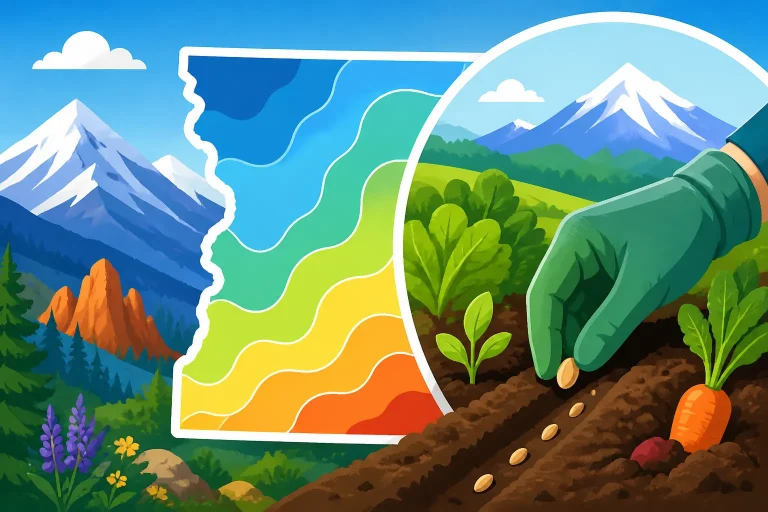
Colorado vegetable sowing depends on frost risk, soil warmth, crop needs, and local conditions; hardiness zones offer context, not a planting calendar.
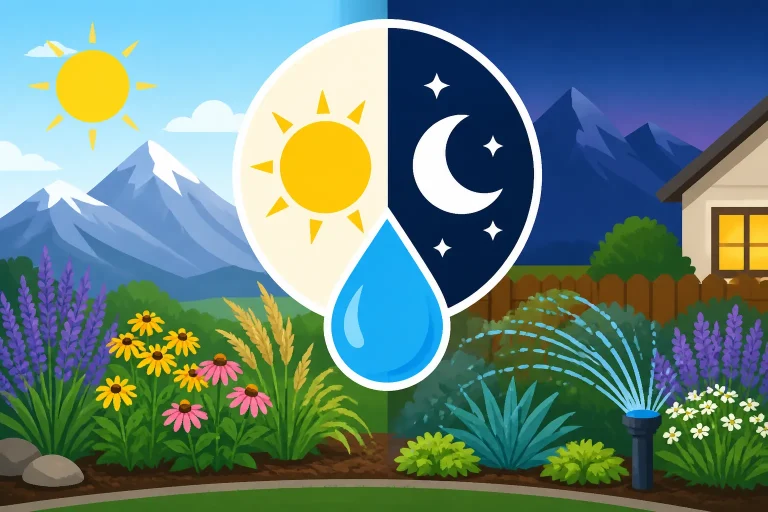
Colorado garden watering days and hours depend on your water provider; check current local rules before setting timers or hand-watering outdoors.
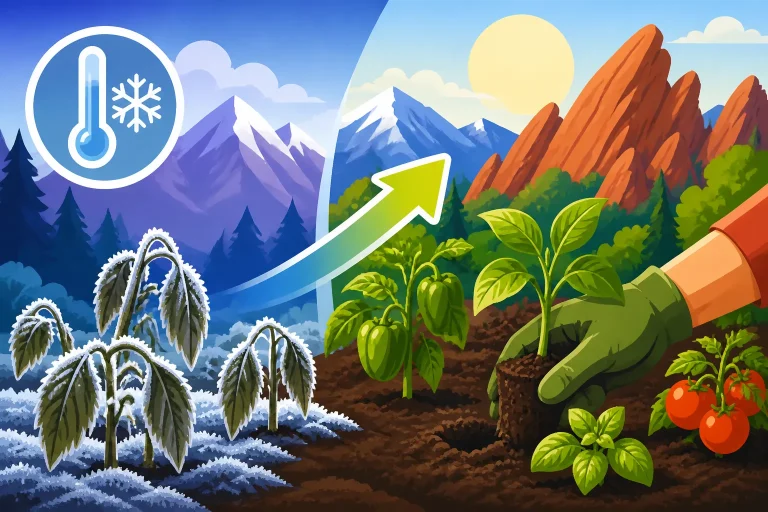
Colorado Springs warm-season planting depends on more than the last spring freeze: wait for settled forecasts and warm soil before setting out tender crops.
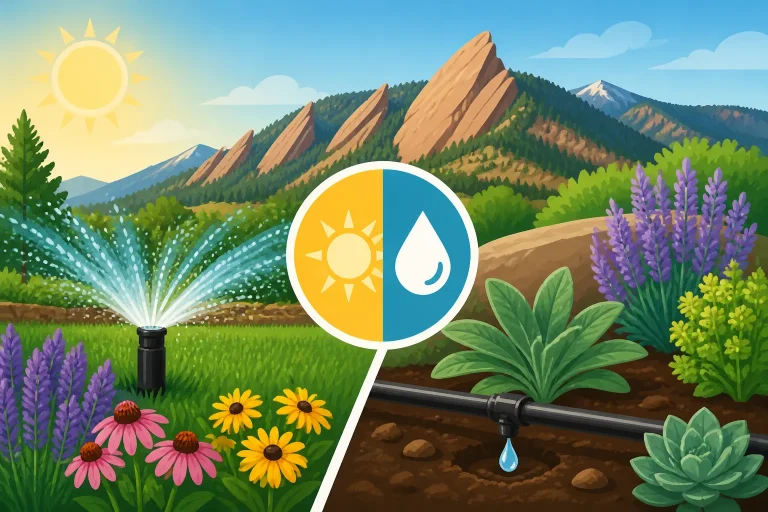
Colorado foothills sprinkler and drip schedules depend on soil, slope, wind and weather; early-morning watering and root-zone checks help reduce waste.
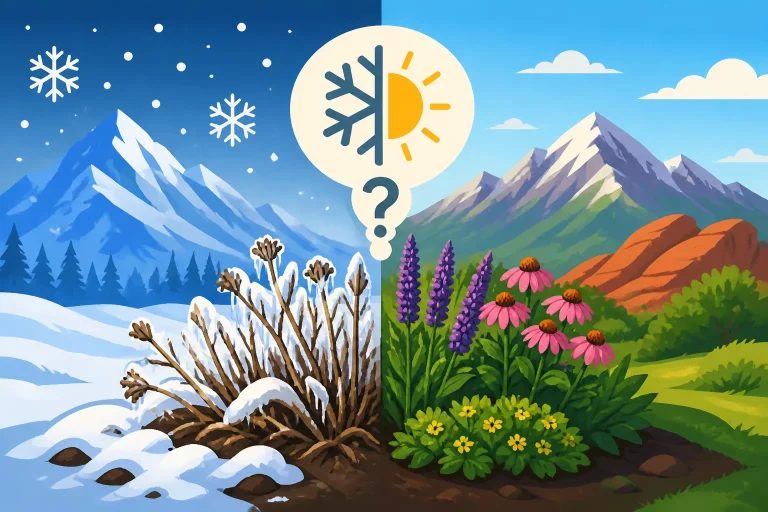
A changed Colorado hardiness zone signals possible risk, not certain loss; assess the plant, site exposure, and winter protection before replacing perennials.
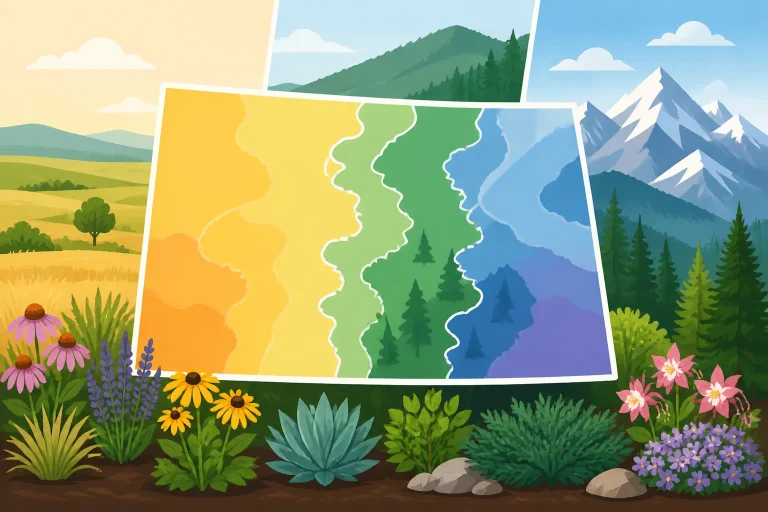
Colorado hardiness zones vary with terrain and exposure; use the map as a perennial-survival filter, then assess your garden’s microclimate.
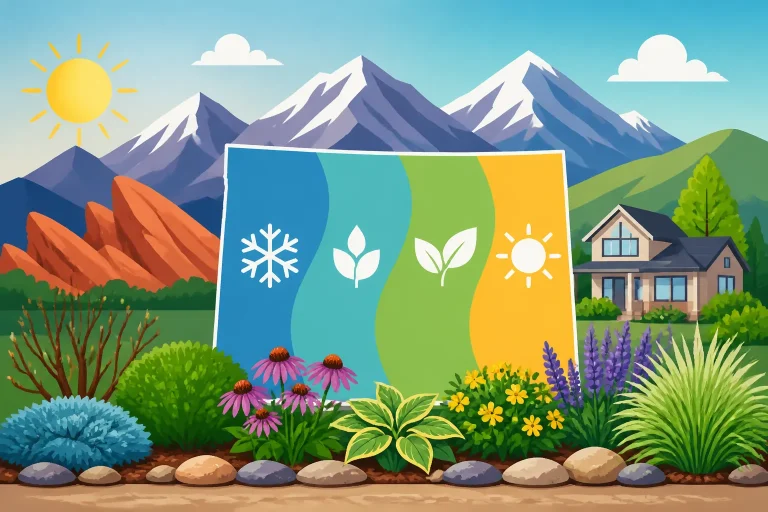
Colorado Front Range hardiness zones guide perennial choices, but local exposure, soil, and frost timing matter more than a ZIP-code result alone.
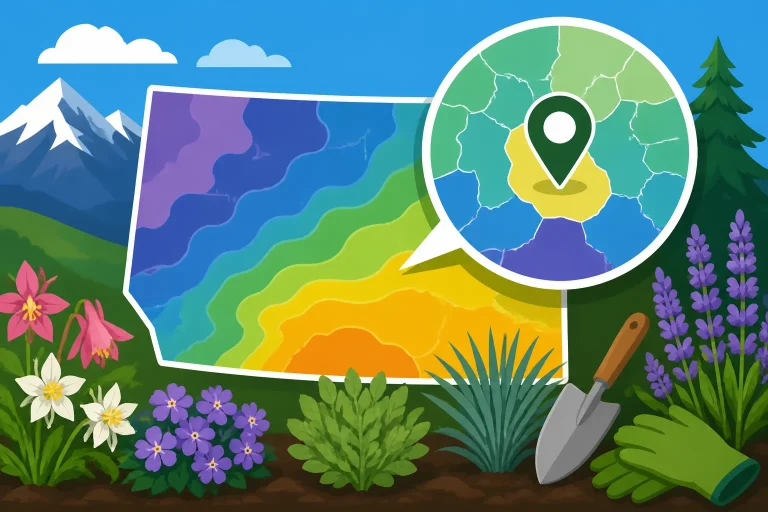
The USDA Plant Hardiness Zone Map by ZIP code offers a winter-cold starting point, not a yard-level guarantee or vegetable planting calendar.
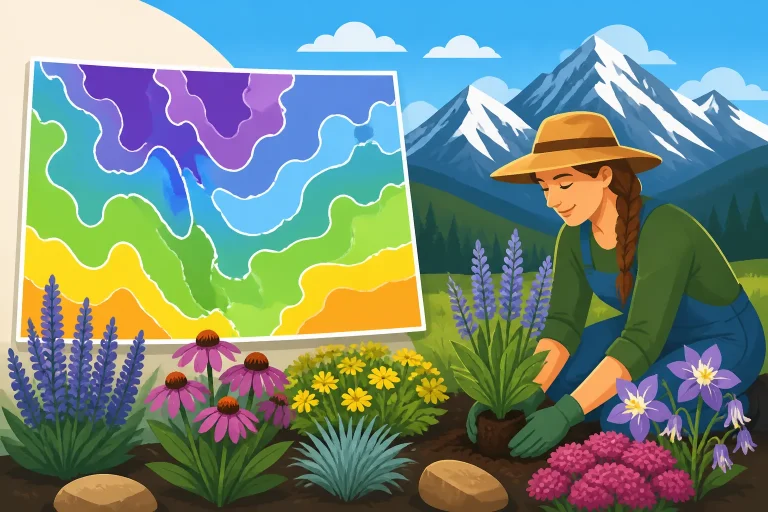
USDA hardiness zones help screen Colorado perennials, but matching plants to local wind, soil, moisture, snow cover, and exposure matters too.